

Manhattan
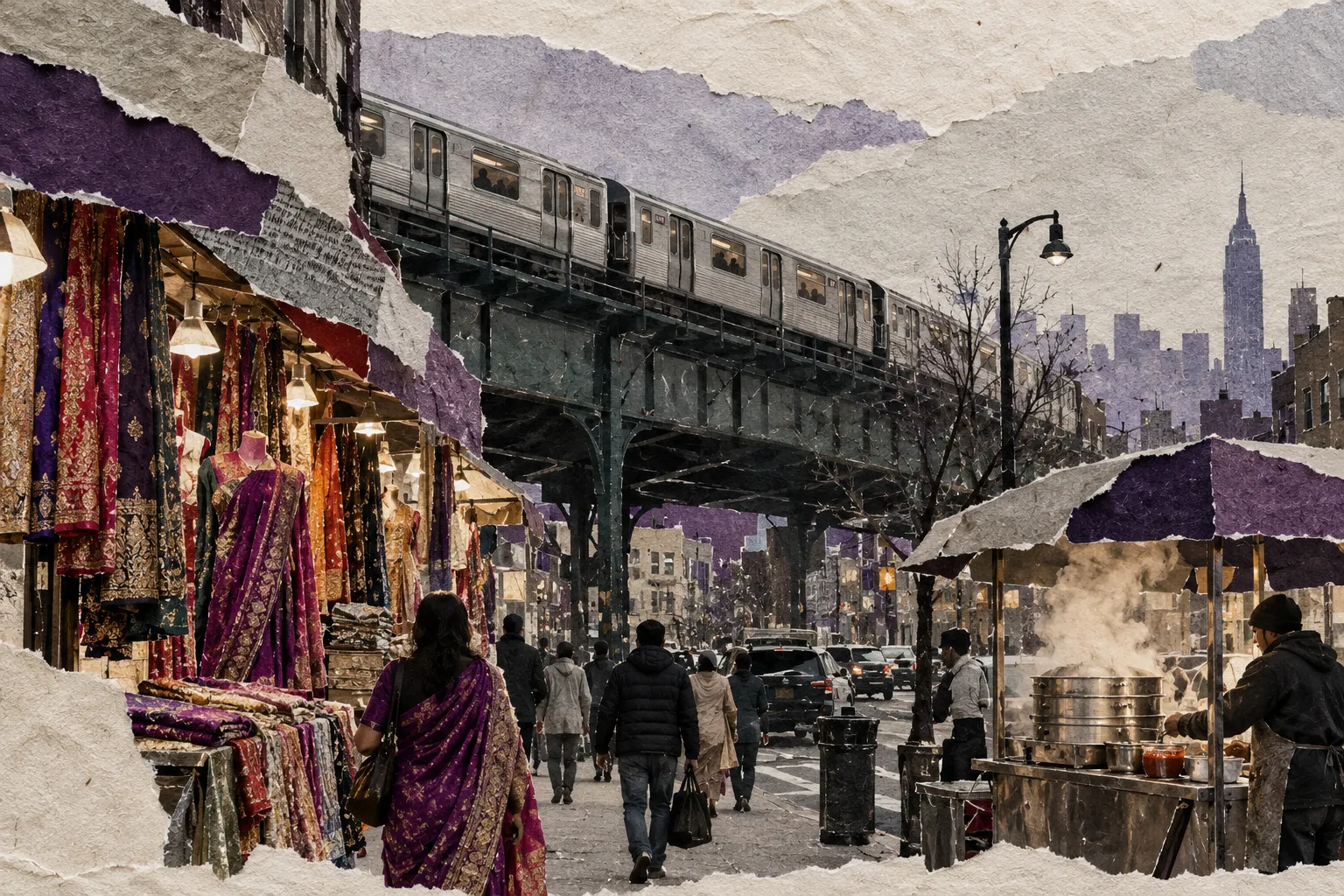
The Lower East Side, East Village, Chinatown, and West Village connect independent fashion, small dining rooms, and performance spaces. Harlem anchors Black cultural heritage; Midtown and the Upper West Side hold major theatrical and civic institutions.
Lower East Side. Tenement Museum apartment and walking tours put migration, homes and working lives behind the storefronts. Book a specific tour. Add Russ & Daughters for smoked fish or Katz’s for pastrami; these are different food traditions, not interchangeable “New York sandwiches.”
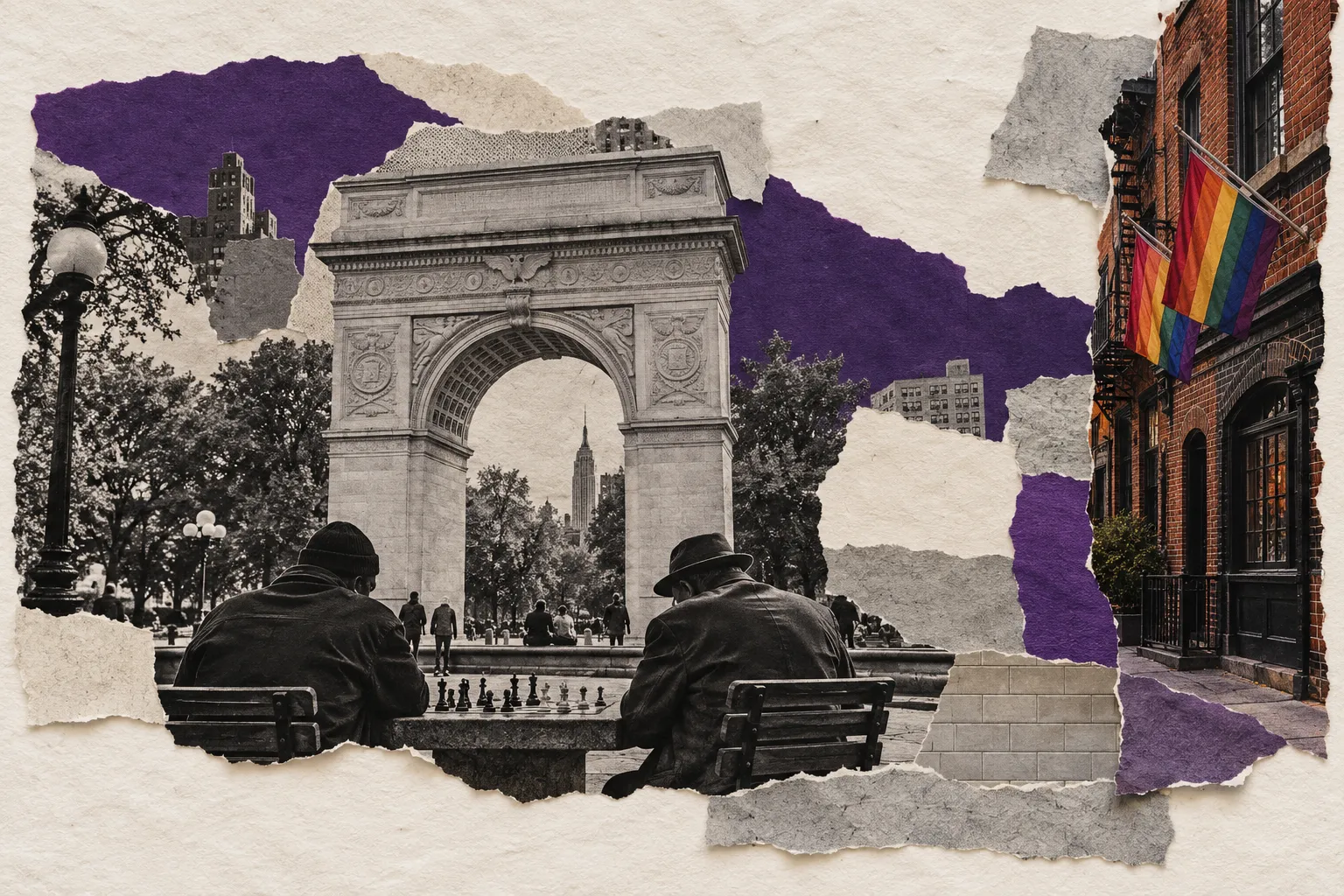
Village / East Village. Stonewall Visitor Center supplies historical context before a Christopher Street wander. The Public makes theater the evening anchor. Follow the existing culture guide for smaller stages rather than assuming Broadway explains every room.
Midtown / Upper East Side. At MoMA, start with Van Gogh’s The Starry Night; at The Met, the Temple of Dendur rewards attention to its carvings, not just its scale. Check current display and choose a few galleries. Museum stamina is not a competitive sport.
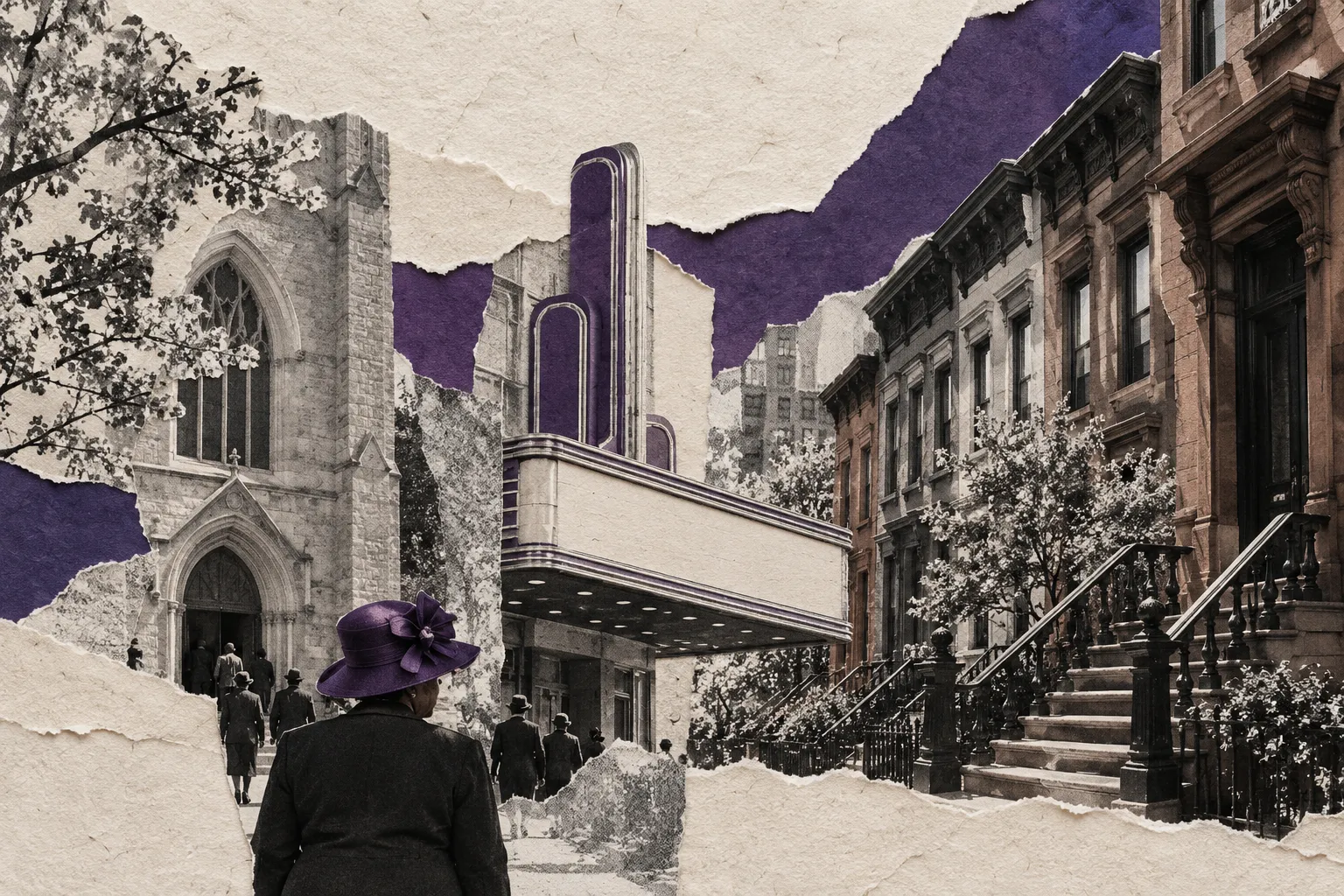
Harlem. The Studio Museum centers artists of African descent. The Apollo adds performance and music; read the ticket’s venue, including the Victoria stages. Give the neighborhood a whole afternoon instead of a token detour.
Lower Manhattan. The African Burial Ground makes the city’s Black history unavoidable and specific. Pair historical interpretation with a slow downtown walk; a memorial deserves attention, not a checklist tick.
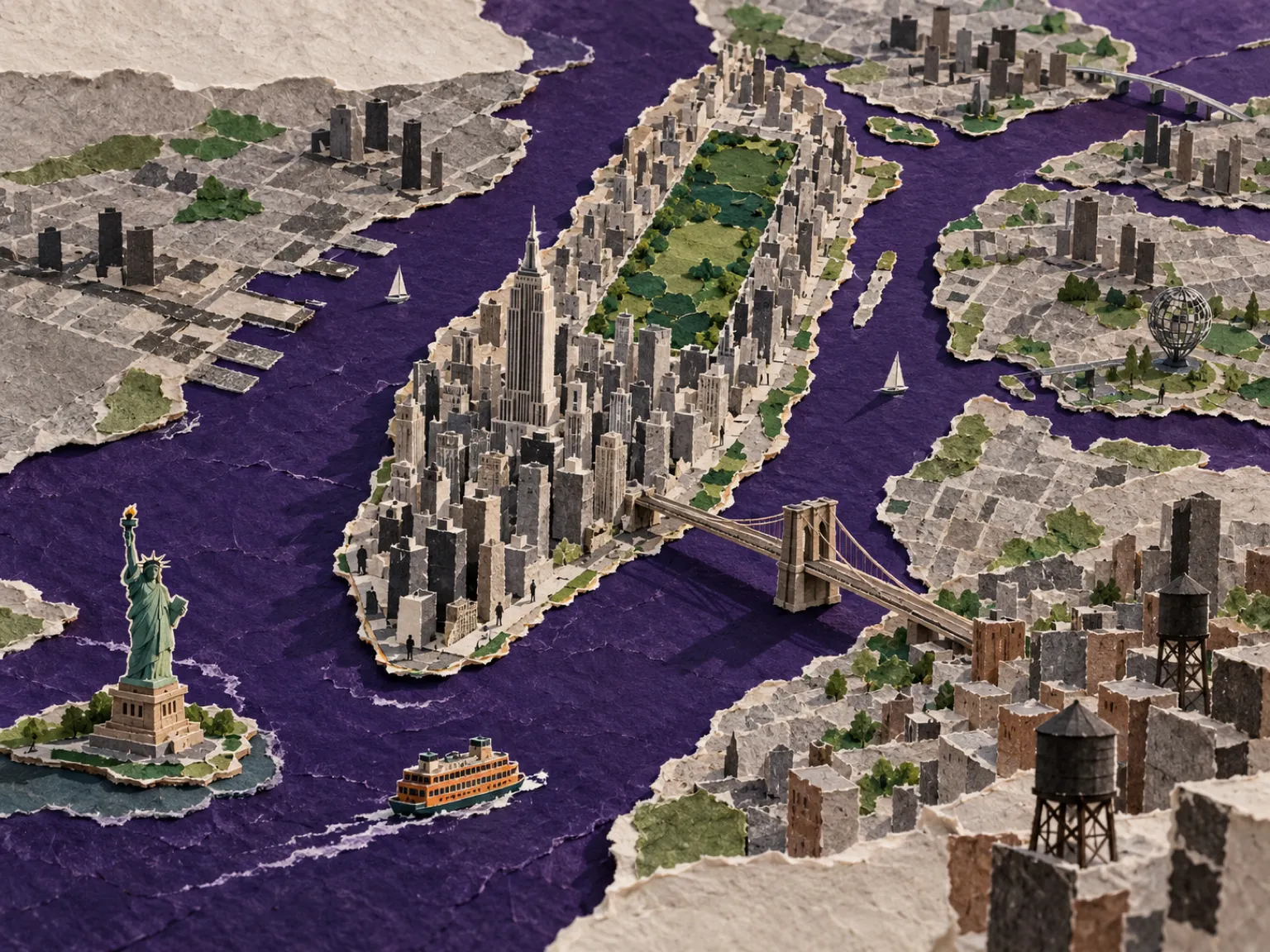
Build a day. Downtown history a local meal Village theater is one route. A museum Central Park Harlem is another, with transit between distant stops. Use the MTA trip guide and the KEVNS calendar. All of Manhattan is not one walk.
THE MOVE Walk it. Your taxi budget has better things to do.